
6 Risks of Ignoring a Worn Timing Belt
Maintaining a safe, healthy, and reliable automobile requires continuous attention, mechanical oversight, and proactive defense against internal component wear. Modern internal combustion engines rely on dozens of intricate, fast-moving parts working in precise harmony to generate power and move your vehicle down the road. Among these vital mechanical components, the timing belt plays an essential role in synchronizing the precise rotation of the engine crankshaft and camshaft. This continuous physical synchronization ensures that internal engine valves open and close at exact microsecond intervals during each cylinder's intake, compression, power, and exhaust strokes. When this reinforced rubber component functions properly, your vehicle operates quietly, efficiently, and smoothly under all driving conditions. However, because this part is composed of specialized rubber compounds reinforced with high-strength internal cords, it naturally experiences constant thermal stress, friction, and material degradation over time. Ignoring the subtle warning signs of component wear can lead to sudden mechanical failures that leave drivers stranded without warning. Understanding the severe operational risks associated with maintenance neglect allows vehicle owners to take preventive action before catastrophic mechanical harm occurs. By prioritizing systematic inspection schedules and timely replacements, drivers preserve overall vehicle health, safeguard vital mechanical systems, and avoid major engine destruction.
1. Experiencing Severe Structural Engine Damage
The primary danger of neglecting a worn timing belt is the catastrophic physical destruction it can inflict on internal engine structures. Many modern passenger vehicles utilize interference engine configurations, where valve movement and piston travel share the exact same physical space inside the cylinders at different points in the operating cycle. If physical synchronization fails while the engine is running, open valves remain suspended directly in the path of rising pistons. Pistons strike the open valves at thousands of revolutions per minute, bending delicate valve stems, cracking piston heads, and shattering cylinder wall structures instantly. According to Kelley Blue Book, typical passenger vehicles traveling across American roadways are currently nearly 13 years old. As vehicles age and accumulate operational hours, internal rubber components endure relentless heat cycles and continuous tension that accelerate structural breakdown. Operating an older automobile without regularly evaluating critical rubber components dramatically increases the probability of complete internal motor destruction without warning. Preventing catastrophic structural damage requires vigilant physical inspections and timely component replacements well before physical failure occurs.
2. Facing Unexpected Breakdown on Busy Roadways
A severe mechanical failure rarely occurs at a convenient time or location for automobile drivers. When a degraded timing belt snaps while navigating fast-moving highway traffic or remote rural roads, the vehicle immediately suffers a total loss of engine propulsion. Drivers experience an abrupt drop in accelerator pedal response, forcing them to coast toward the shoulder while managing surrounding vehicular traffic. This sudden loss of mechanical power creates hazardous scenarios on busy freeways, particularly during severe weather conditions or nighttime travel. Furthermore, a stalled internal combustion engine causes immediate loss of power-assisted steering and vacuum-assisted braking systems, making it significantly harder to steer and stop the automobile safely. Preventing sudden roadside stranding demands disciplined maintenance habits that identify physical cracking, surface fraying, or cord exposure before complete mechanical separation takes place. Regular professional evaluations keep your vehicle dependable and capable of handling long-distance travel without unexpected breakdowns.
3. Disrupting Connected Cooling System Components
In many modern engine configurations, the internal rubber timing belt does not operate in total isolation within the engine bay. It frequently provides mechanical drive power to additional auxiliary systems, including the internal water pump responsible for circulating coolant throughout the engine block. When a worn drive belt slips, loses teeth, or splits apart completely, the engine water pump instantly ceases rotation. This sudden stoppage of coolant circulation causes rapid engine temperature spikes, warped cylinder heads, and blown head gaskets within a few short minutes of operation. Additionally, tensioner pulleys and idler bearings that maintain proper belt alignment can seize or fail when subjected to uneven mechanical tension or severe material degradation. Ensuring that all interconnected drive components are evaluated together helps maintain total mechanical harmony across the entire engine bay. Comprehensive maintenance prevents secondary cooling system failures that compound mechanical issues into extensive repair projects.
4. Endangering Passenger Safety During Critical Driving Situations
Automotive reliability is directly intertwined with occupant safety during daily travel. An unexpected engine shutdown caused by a snapped timing belt introduces severe safety hazards for drivers, passengers, and surrounding motorists on public roads. Losing propulsion while merging onto crowded expressways, navigating multi-lane intersections, or climbing steep mountain grades leaves the vehicle vulnerable to high-speed collisions. Navigating intense emergency situations on high-speed roadways requires completely predictable power output and fully responsive vehicle controls to clear unexpected hazards rapidly and safely. When an engine stalls abruptly due to component breakage, steering wheel effort increases dramatically, requiring intense physical strength to guide the vehicle safely off the roadway. Maintaining vital internal drive components guarantees predictable engine operation, ensuring that your automobile remains fully control-responsive during demanding driving maneuvers. Protecting your passengers requires proactive mechanical stewardship rather than waiting for structural components to break during active travel.
5. Causing Inconvenient Schedule Disruptions and Extended Repair Downtime
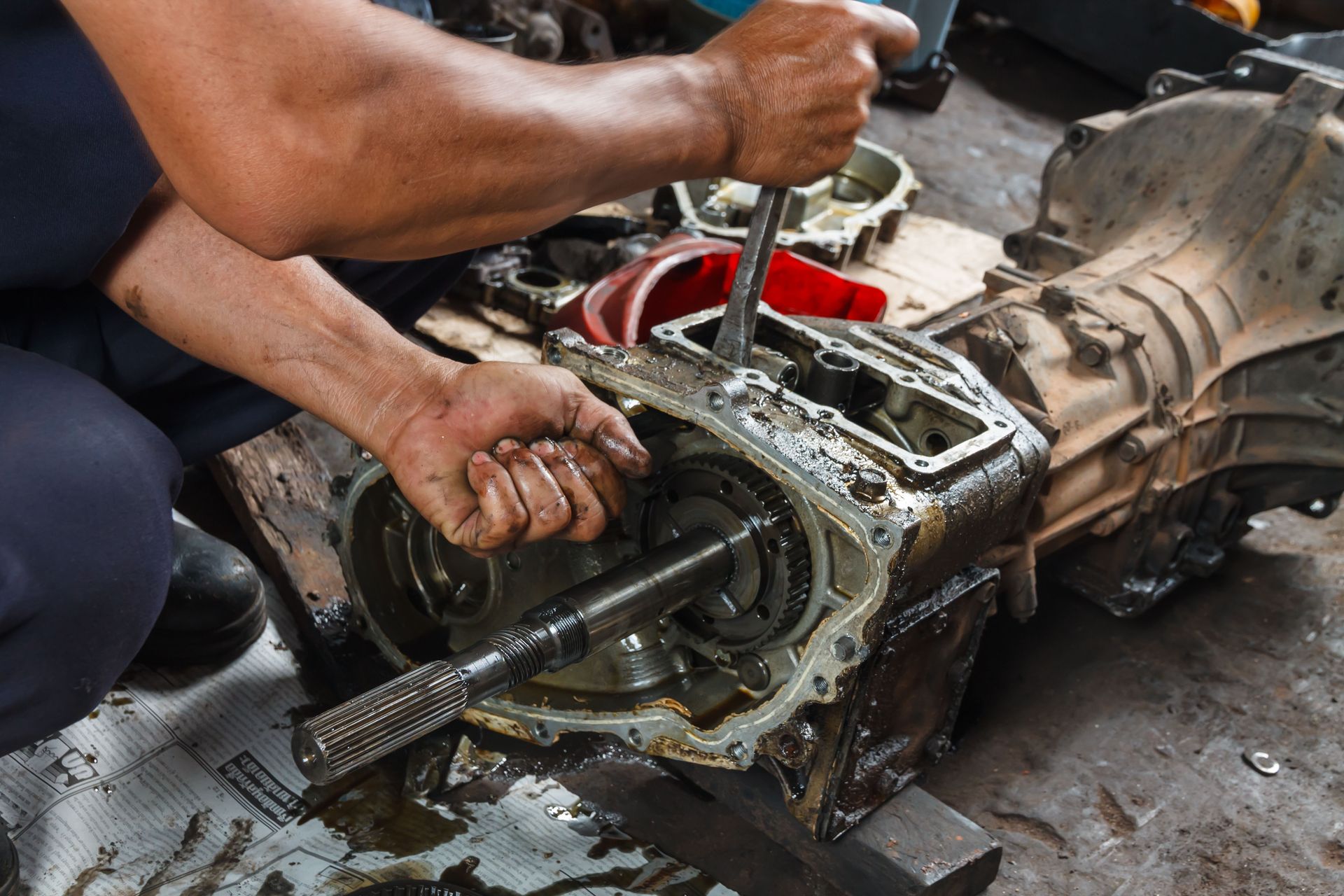
Vehicle owners rely heavily on their personal automobiles for daily workplace commuting, family transportation, school pickups, and essential personal errands. When a critical timing belt breaks and causes extensive internal engine damage, restoring the vehicle requires major mechanical teardown, specialized machine shop labor, and extensive parts replacement. A complete engine overhaul or total motor replacement can keep a vehicle out of service for several days or even weeks inside an automotive facility. During this prolonged repair timeframe, vehicle owners experience major schedule disruptions, missed personal obligations, and complicated transportation arrangements. Routine inspections and planned component maintenance require significantly less time than rebuilding damaged internal engine structures. Prioritizing preventive maintenance prevents unexpected vehicle downtime, allowing your daily obligations, work commitments, and family activities to proceed smoothly without inconvenient interruptions.
6. Reducing Long-Term Vehicle Lifespan and Overall Reliability
Every passenger vehicle represents a significant functional investment that requires ongoing care to maintain its practical utility over time. Consistent mechanical oversight and timely component replacements extend overall operational lifespan, allowing automobiles to achieve high mileage benchmarks while preserving strong performance characteristics. Conversely, ignoring essential drive components creates cascading mechanical stress that accelerates wear across surrounding engine assemblies. A snapped timing belt can crack internal engine blocks, warp delicate aluminum housings, and force prematurely retired vehicles off the road completely. Preserving internal valve alignment keeps mechanical tolerances tight, combustion clean, and engine operation quiet across years of driving. Vehicle owners who establish disciplined service routines enjoy genuine peace of mind, knowing their automobile remains dependable, durable, and fully prepared for daily transportation needs. Sustained mechanical health protects your practical investment and delivers consistent performance throughout every season of ownership.
Taking a truly proactive approach to scheduled automotive maintenance consistently safeguards your vehicle against catastrophic mechanical failures, unexpected breakdowns, and sudden roadside hazards. Inspecting and replacing critical internal drive components before severe degradation occurs prevents extensive engine damage, protects passenger safety, and guarantees continuous daily mobility. If you are ready for comprehensive automotive care and professional engine defense, contact us at Al De Mark Auto Service today. We will help you maintain optimal vehicle performance, protect your engine against sudden failure, and keep your automobile running smoothly for many miles to come.



Share On: